






Orbisk
- €500,000
- Anastasia Dellis
- Capital Raised: €3,500,000 (Extension)
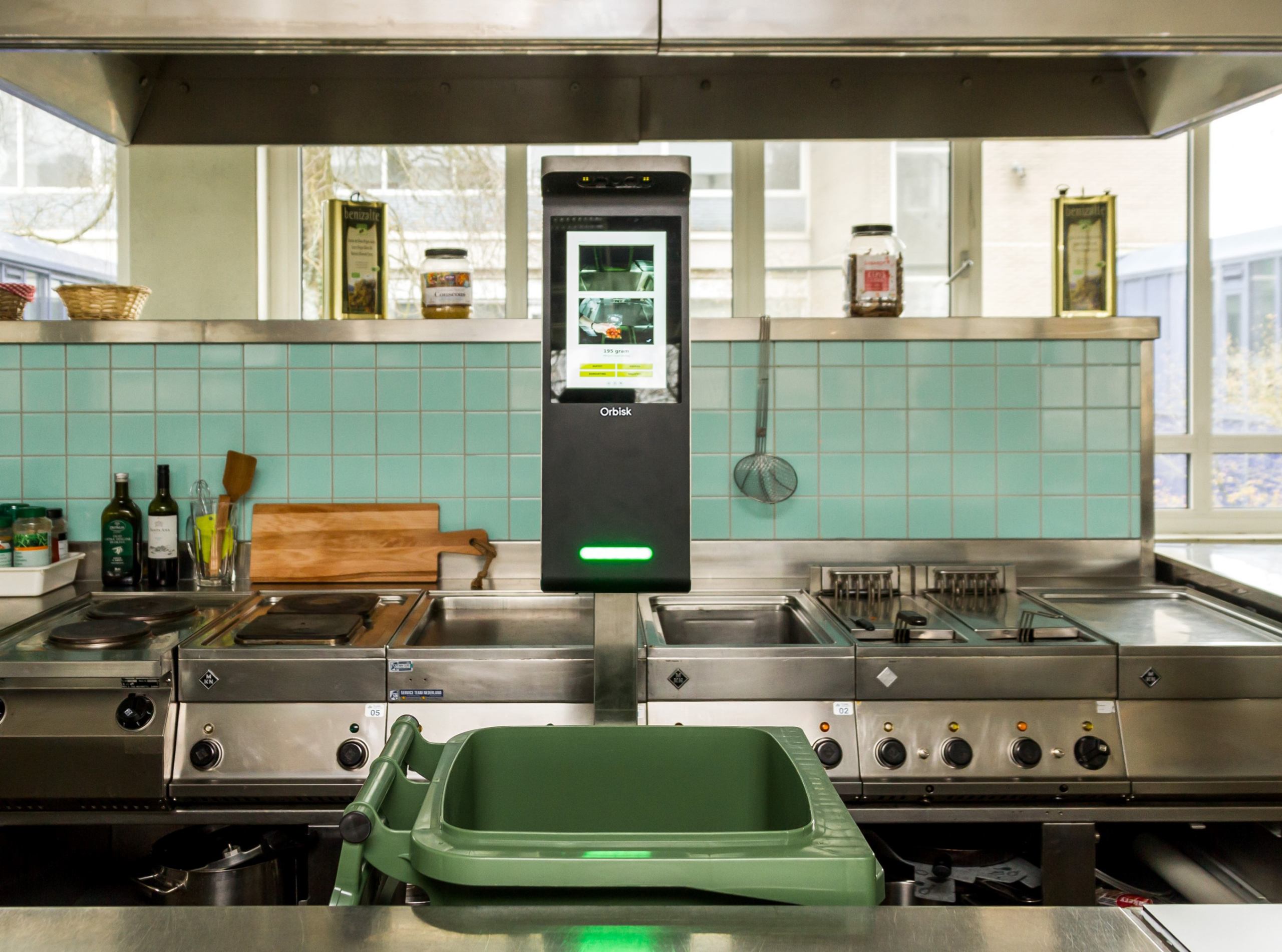
Orbisk is a Dutch B-Corp and AI-native foodtech company transforming how commercial kitchens manage food waste. Combining proprietary computer vision, machine learning, and an automated above-the-bin camera system, Orbisk identifies, quantifies, and analyzes food waste in real time, providing kitchens with actionable recommendations to optimize purchasing, production, menu planning, and kitchen operations.
Its workflow-native platform integrates seamlessly into daily kitchen operations without requiring manual input, delivering rapid customer payback while creating one of the industry’s largest proprietary food waste datasets. Today, Orbisk serves leading hospitality and foodservice groups—including Accor, Marriott, Hilton, IHG, Vermaat and Carnival Cruise Line—and is positioning itself as the category leader in AI-powered food waste intelligence.
Operating through a recurring hardware-enabled SaaS model with ~80% gross margins, Orbisk combines strong economic returns with measurable environmental impact, helping customers reduce food waste by up to 70%, lower food purchasing costs, and improve operational efficiency.
Problem they solve
- Commercial kitchens waste significant amounts of food every day, generating unnecessary purchasing, labor, disposal, and transportation costs while contributing substantially to global greenhouse gas emissions.
- Most operators lack automated, reliable data to understand where food waste occurs and how to prevent it.
- Increasing food inflation, labor shortages, and ESG reporting requirements are making food waste reduction an operational necessity rather than simply a sustainability initiative.
Why we believe
- Exceptional ROI: Customers typically achieve payback within 3–6 months while reducing food waste by up to 70%, creating a compelling financial incentive alongside measurable environmental impact.
- Workflow-native AI advantage: Orbisk’s proprietary above-the-bin computer vision captures richer data with minimal operational friction, creating a superior customer experience compared to competing solutions.
- Highly defensible technology: A growing proprietary image dataset, AI models, patented workflow, and proven freedom-to-operate position Orbisk as one of the technological leaders in the category.
- Enterprise validation: Partnerships with four of the world’s five largest hotel groups—including Accor, Marriott, Hilton and IHG—demonstrate strong product-market fit and provide significant expansion opportunities within existing customers.
- Large underpenetrated market: Food waste monitoring remains at an early stage despite strong regulatory, economic, and sustainability tailwinds, providing substantial room for long-term growth.
- Impact aligned with economics: Every kilogram of food waste avoided directly reduces customer costs while simultaneously lowering CO₂ emissions, water consumption, and resource use, creating one of the clearest examples of impact driving commercial value.
Investors
Want to join us on our mission to fight climate change through Agri-Food revolution and discuss our value proposition?
Entrepreneurs
We know taking the next big step is never easy, but if the goals are mutual, things do fall into place. Let’s discuss your idea!